Spooky Spooky Embroidery Design Review
As an experienced embroidery designer who has spent years refining digital files for commercial production, I look at every new asset with a critical eye. It is not enough for a design to simply "look good" on a screen; it must translate flawlessly into thread, hold up to industrial washing, and enhance the brand identity of the small business using it. Today, I am reviewing the Spooky Spooky Embroidery Design, a file that promises versatility across various items such as pillows, tote bags, jackets, or even framed artwork.
This review focuses specifically on how this machine embroidery design performs in real-world small business scenarios. Whether you are running a boutique, a handmade shop, a creative studio, or a local bakery, understanding the practical applications and limitations of your embroidery file is crucial for maintaining professionalism and customer trust.
First Impressions: Visual Personality and Brand Fit
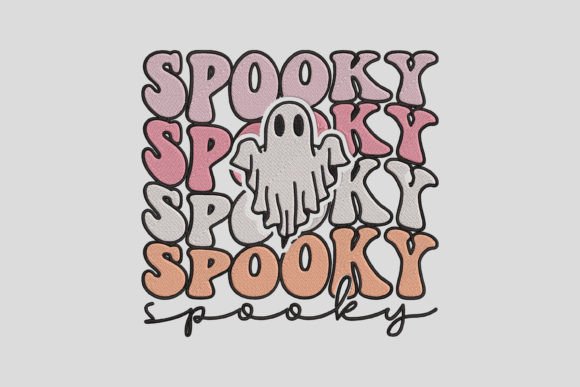
The title, Spooky Spooky Embroidery Design, immediately suggests a playful, bold, and perhaps slightly retro or modern aesthetic. In the world of branded merchandise, tone is everything. A design that feels too ornate can appear cluttered on small products, while one that is too minimal may lack the character needed to drive engagement. Based on the description’s emphasis on versatility, this design likely strikes a balance between decorative flair and clean readability.
For a small business owner, the first question is always: does this fit our brand voice? If your brand is known for being friendly, approachable, and fun—think a local café, a pet brand, or a crafty Etsy seller—this design offers a strong visual hook. The repetition in the name "Spooky Spooky" implies a rhythm that often translates well into graphic-heavy embroidery, making it ideal for small business merch where visibility is key. However, if your brand leans toward minimalist elegance or high-end luxury, this design might feel too casual unless executed with premium threads and precise placement.
Real-World Business Applications
The true test of any digital embroidery file is its adaptability. This design claims versatility, which is a major selling point for entrepreneurs looking to maximize their return on investment. Here is how I see it performing across different product categories:
- Embroidered Patches: One of the most profitable uses of a versatile design is creating custom patches. These can be sold as standalone accessories or attached to denim jackets, backpacks, and beanies. The design’s structure needs to be sturdy enough to withstand the cutting and backing process without losing detail.
- Tote Bag Design: Canvas totes are a staple for crafters and boutiques. A well-executed tote bag design serves as a walking advertisement. Because the design is described as suitable for various items, it likely scales well, allowing it to sit prominently on the front or subtly on the side pocket.
- Apron Embroidery: For bakeries, florists, or home goods shops, branded aprons are essential staff uniforms. This design could work beautifully as a chest logo accent, adding a touch of personality to functional wear. It helps humanize the brand and creates a memorable customer experience.
- Cap Embroidery: Caps are high-margin items. If the design allows for a compact footprint, it can serve as a standout element on the front panel. However, curvature must be considered during digitizing to ensure the text or imagery doesn’t distort.
- Product Packaging Accents: Beyond apparel, this design can be embroidered onto hang tags, gift boxes, or fabric labels. This adds a tactile, handmade product feel that elevates perceived value and encourages social media sharing by customers.
Staff Uniforms and Event Merch
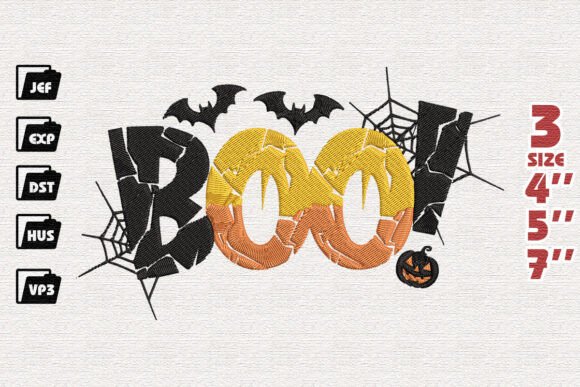
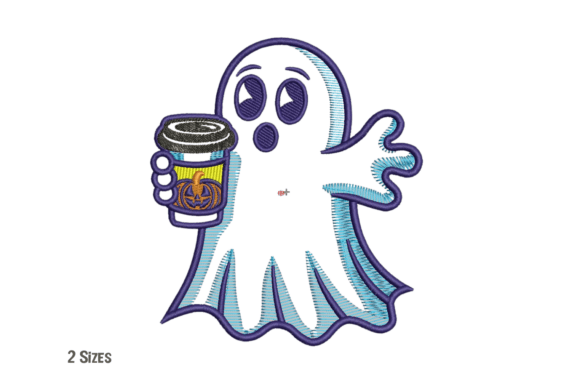
During peak seasons like Halloween, businesses often launch limited-edition collections. This embroidery design fits perfectly into that narrative. Imagine a coffee shop offering "Spooky Spooky" themed lattes served in cups accompanied by a matching embroidered coaster or sleeve. Or a boutique hosting a trunk show where attendees receive a small embroidered patch as a gift. These touchpoints build brand identity and foster loyalty far more effectively than printed stickers or paper flyers.
Where Caution Is Required
While the potential is high, not every application is created equal. As a designer, I must highlight areas where this design might struggle if not handled with care:
- Small Patch Sizes: If you plan to create patches smaller than two inches, intricate details may get lost. Always scale down the design in your software before committing to production. If the outlines become too thin, they will break or merge, ruining the finished product.
- High Stitch Density: Designs with dense stitching can become stiff and bulky, especially on delicate fabrics like silk or lightweight cotton. Check the stitch density to ensure it matches the weight of your chosen fabric. For custom apparel like light tees, excessive density can cause puckering.
- Curved Surfaces: When embroidering on caps or curved hat fronts, flat designs can distort. Ensure the file includes appropriate pull compensation or consider placing the design on a flat panel before attachment.
- Fabric Texture and Color: Dark uniforms require underlay stitches to prevent the top thread from sinking into the fabric. Similarly, textured fabrics like fleece or heavy wool can hide fine details. Always test on the actual material you intend to use.
- Frequent Washing: For items like aprons or work shirts that undergo frequent laundering, the durability of the thread colors and the stability of the stabilizer are critical. Poorly stabilized designs will fray or peel over time, damaging the brand’s reputation.
Impact on Brand Identity and Customer Trust
Quality embroidery signals professionalism. A poorly digitized file looks cheap and can undermine the value of your commercial embroidery projects. Conversely, a crisp, well-placed design enhances visual consistency and makes your products look premium. Customers associate neat stitching with attention to detail in your core services or products. Whether it is a printable mockup used for marketing or the final physical item, the execution matters.
Furthermore, unique design assets help you stand out in crowded marketplaces like Etsy. By offering exclusive, high-quality embroidered goods, you differentiate yourself from competitors relying solely on mass-produced, screen-printed items. This uniqueness drives buyer engagement and justifies higher price points.
Practical Designer Notes for Production
Before you load this file into your machine for bulk production, follow these essential steps:
- Test in Black and White: Convert the design to monochrome to check contrast and spacing. If it lacks definition without color, it will struggle in production.
- Check Hoop Size: Confirm the hoop size required by the file. If the design exceeds standard hoops, you may need multi-hoop techniques, which increase labor costs and potential for misalignment.
- Use Proper Stabilizer: Match the stabilizer (cut-away, tear-away, or water-soluble) to the fabric type. This is non-negotiable for a stable embroidered patch or garment.
- Create a Mockup: Generate a realistic printable mockup for client approval or marketing materials. Seeing the design on a mockup helps visualize the final outcome and catch errors early.
- Confirm Commercial Licensing: Always verify that you have the right to sell products made with this embroidery file. Some designers restrict commercial use, which can lead to legal issues.
- Inspect Thread Contrast: Choose thread colors that pop against your fabric. Low contrast can make the design invisible, especially in dim lighting.
In conclusion, the Spooky Spooky Embroidery Design appears to be a versatile tool for small business owners looking to expand their merchandise line. Its adaptability across apparel, accessories, and packaging makes it a valuable asset for brands seeking to add a personal, professional touch. However, success lies in the details: proper testing, correct stabilization, and thoughtful placement. By treating this design with the respect it deserves, you can create high-quality products that strengthen your brand and delight your customers.