Lion Machine Embroidery Design Review
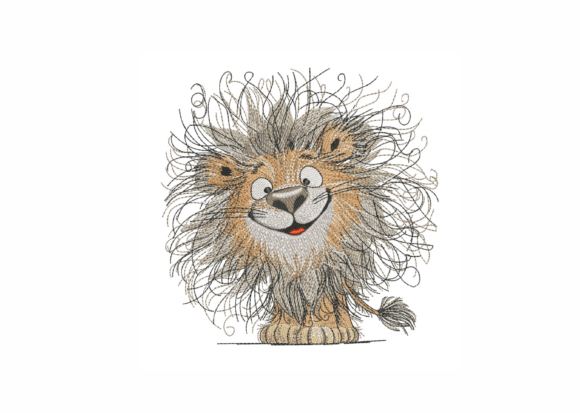
As an embroidery designer who has spent years digitizing patterns and testing them on everything from heavy denim to delicate silk, I approach every new machine embroidery design with a critical eye. When evaluating assets for small business merchandise, branded patches, or custom apparel, the goal is never just aesthetics—it is about production viability, brand consistency, and customer perception. Today, I am reviewing the Lion Machine Embroidery Design, a piece categorized under Baby Animals that promises a joyful and charming touch to any project. But does it hold up in a commercial environment?
First Impressions: Personality and Visual Impact
The description highlights that this design adds a "joyful and charming" element to clothing, accessories, home decor, or gifts. From a professional standpoint, this suggests a softer, more approachable aesthetic rather than a fierce or aggressive lion motif. For brands aiming to convey warmth, friendliness, and creativity, this visual personality is highly valuable.
When I first look at the concept of a baby animal lion in embroidery, I anticipate rounded lines, less sharp detailing, and a playful composition. This makes it an excellent candidate for businesses that want to avoid looking too corporate or rigid. It feels handmade, premium, and inviting. Whether you are running a boutique, a creative studio, or a pet brand, this embroidery file can instantly elevate your brand identity by signaling that you care about detail and charm. However, designers must remember that "charming" often relies on clean execution; if the digitization is poor, the cuteness can turn into clutter.
Real-World Business Applications
For small business owners, Etsy sellers, and merch creators, versatility is key. The Lion Machine Embroidery Design is described as coming in four sizes, with a maximum dimension of 3.9 x 3.9 inches and a stitch count of 2 (note: verify exact stitch count and format before production). This range allows for diverse applications across various product types.
- Embroidered Patches: The 3.9-inch size is ideal for standard iron-on or sew-on patches. These work exceptionally well as branding elements on the back of hats, the sleeve of a jacket, or as a decorative accent on tote bags. A lion patch signals strength but in a cute, accessible way, perfect for youth-oriented brands or family-friendly services.
- Apron Embroidery: For bakeries, cafes, or florists, placing this design on the chest pocket of a white or neutral apron creates a memorable focal point. It humanizes the staff and makes the brand feel welcoming to customers.
- Cap Embroidery: On structured caps, a smaller iteration of this design can serve as a subtle logo. Because it falls under the Baby Animals category, it avoids the intimidation factor of adult animal motifs, making it suitable for children’s clothing lines or casual streetwear.
- Tote Bag Design: Canvas totes are a staple for craft fairs and retail shops. Using this design as a central graphic or a corner accent adds a touch of whimsy that encourages customers to carry the bag, effectively turning them into walking billboards for your small business merch.
- Product Packaging Accents: Beyond apparel, consider using this design on hang tags, gift boxes, or even printed labels that mimic embroidery textures. Consistency in design assets helps build recognition.
Strategic Considerations and Potential Pitfalls
While the aesthetic appeal is clear, an experienced designer knows that not every design succeeds on every surface. Here are critical areas where you must exercise caution when using the Lion Machine Embroidery Design.
Small Patch Sizes and Detail Loss: If you plan to reduce the design to fit very small patches or tiny lettering areas, inspect the spacing carefully. Fine details in a "charming" design can bleed together if the stitch density is too high or the fabric moves during stitching. Always test the smallest intended size on your actual production equipment.
Fabric Texture and Contrast: Embroidery relies heavily on thread colors contrasting with the base fabric. On dark uniforms or textured fabrics like raw denim or boucle, the joyful tones of the lion may get lost. Ensure you have enough contrast between the thread palette and the garment color. If the background is busy, the design will lack the clean, professional finish required for high-end custom apparel.
Curved Surfaces and Hoop Stability: When embroidering on curved items like cap fronts or sleeves, maintain a stable hoop setup. The design’s dimensions (up to 3.9 inches) require a decent amount of hoop space. If the design is too large for the available flat area on a curved item, distortion will occur. Test on real fabric to confirm the hoop size compatibility.
Washability and Durability: For items that undergo frequent washing, such as work shirts or aprons, check the stability of the stitches. High stitch density can cause puckering if the stabilizer is not chosen correctly. Use a proper tear-away or cut-away stabilizer depending on the fabric weight to ensure the finished product remains pristine after multiple wash cycles.
Impact on Brand Identity and Customer Trust
In the world of handmade products and digital downloads, presentation is everything. Using a well-executed digital embroidery file like the Lion design directly influences customer trust and professionalism. A crisp, clean embroidery job signals attention to detail. Conversely, a sloppy execution can undermine the perceived value of your goods.
This design’s "joyful" nature can enhance buyer engagement by creating an emotional connection. Customers are more likely to share photos of unique, charming items on social media, providing free marketing for your brand. By integrating this design consistently across your design assets—from your website mockups to your physical products—you create a cohesive visual language that reinforces your brand’s personality.
Practical Designer Notes for Production
Before committing to a full production run, follow these essential steps to ensure success:
- Test in Black and White: Convert the design to monochrome to check its structural integrity. If it lacks definition without color, it may struggle in complex colorways.
- Review Thread Color Contrast: Select thread colors that pop against your target fabric. Avoid low-contrast combinations that make the design hard to see.
- Inspect Spacing and Density: Zoom in on the digitized file. Are there gaps that might show the backing? Is the density appropriate for the fabric type?
- Create a Printable Mockup: Before sewing, generate a printable mockup to visualize how the design looks on different garments. This helps in client approval processes and prevents costly errors.
- Confirm Commercial Licensing: Most importantly, verify the licensing terms. Ensure you have the right to use this commercial embroidery asset for resale items. Unauthorized use can lead to legal issues.
- Stabilizer Selection: Match the stabilizer to the fabric. Heavy fabrics need strong support; light fabrics need minimal intervention to avoid bulkiness.
In conclusion, the Lion Machine Embroidery Design offers a versatile, charming option for businesses looking to add a touch of personality to their merchandise. Its suitability for baby animals themes makes it particularly effective for niche markets focused on childhood, pets, or gentle aesthetics. By paying close attention to technical details like stitch density, fabric choice, and licensing, you can transform this digital file into a tangible asset that drives sales and builds brand loyalty. Always test thoroughly, prioritize quality control, and let the design’s inherent charm shine through in your final handmade product.