Halloween Skull Embroidery Design Review
As an experienced embroidery designer, I spend a significant amount of time testing new digital files before recommending them to my network of crafters and small business owners. Today, I am reviewing the Halloween Skull Embroidery design to determine its viability for personalized gift products. This review is written from the perspective of someone who plans to use this design in a real-world commercial setting, specifically for a boutique shop that creates custom gifts for weddings, nurseries, and seasonal events.
First Impressions: Mood and Aesthetic Appeal
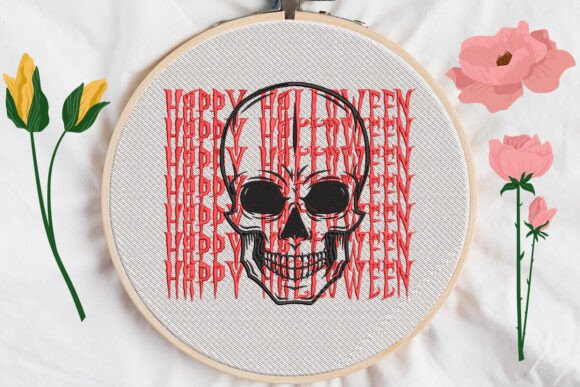
When I first loaded the machine embroidery design into my software, the immediate feeling was one of playful elegance. Unlike many Halloween designs that lean heavily into horror or overly cartoonish imagery, this skull motif strikes a balance between spooky charm and sophisticated simplicity. It feels modern yet classic, making it versatile enough for a wide range of recipients.
The detail level is impressive without being overwhelming. For a personalized gift, you want a design that catches the eye but doesn’t require hours of stitching to complete. This design offers just the right amount of texture and definition. It has a hand-drawn quality that enhances the handmade product feel, which is crucial for building customer trust and perceived value. Whether used on a pillow cover or a blanket embroidery project, it adds a touch of personality that stands out in product photography.
Application Scenarios: From Nursery to Wedding
One of the most exciting aspects of this design is its adaptability. While the name suggests a seasonal focus, the artistic style allows it to transcend typical holiday boundaries. Here is how I envision this embroidery file performing across different product categories:
- Baby Embroidery and Nursery Decor: Surprisingly, this design works well for older children’s rooms or as a quirky accent for a modern nursery. When stitched in soft pastels like lavender, mint, or pale yellow, the skull becomes less about fear and more about whimsical character. It pairs beautifully with custom embroidery on baby blankets or muslin swaddles.
- Wedding Gifts and Keepsakes: For couples who appreciate alternative aesthetics, this design can be incorporated into wedding favors or guest book covers. Imagine a wedding gift featuring this skull alongside the couple’s initials. The intricate details hold up well when enlarged, adding a premium look to home decor items.
- Kitchen Towels and Aprons: This is perhaps the most practical application. An embroidered towel with this design adds a fun flair to a kitchen. It appeals to home cooks who enjoy a bit of edge in their decor. The design’s scale is ideal for standard dish towels, ensuring it remains visible without dominating the fabric.
- Tote Bags and Accessories: For the Etsy seller looking to create unique accessories, this design shines on canvas tote bags. It serves as a statement piece that encourages conversation. The bold lines of the skull ensure it reads clearly even from a distance, which is vital for market stall displays.
Target Audience and Emotional Connection
Who is the ideal customer for a product featuring the Halloween Skull Embroidery? It is not limited to those celebrating October 31st. The target audience includes gothic enthusiasts, fans of macabre art, and anyone who appreciates non-traditional beauty. By offering this design year-round, you tap into a niche market that often feels underserved by mainstream retailers.
The emotional connection here is rooted in individuality. Customers buying a small shop product are often looking for something that reflects their unique identity. A skull design can symbolize resilience, mystery, or simply a love for the unusual. When you present this as a finished product, you are selling more than just thread on fabric; you are selling a sense of self-expression.
Practical Considerations and Technical Notes
Before committing to mass production, there are several technical factors that must be addressed. As a professional, I cannot stress enough the importance of thorough testing. Here are the critical steps I took during my review process:
- Test on Scrap Fabric: Always stitch a sample on the exact fabric you plan to sell. Different weaves react differently to needle penetration. I tested this on both cotton twill and jersey knit to see how the thread colors held up against varying textures.
- Check Stitch Density: High density can cause puckering, especially on lightweight materials. I reviewed the stitch density of the skull’s core areas to ensure they were balanced. If the density is too high, consider digitizing adjustments or using a cut-away stabilizer for better support.
- Confirm Hoop Size: Ensure the design fits your intended product dimensions. If you are working with a hoop size limitation, you may need to resize the design. Remember that resizing can affect the proportion of fine details, so always preview the change digitally.
- Stabilizer Selection: The choice of stabilizer is paramount. For stretchy fabrics like baby clothes, a tear-away or cut-away stabilizer is necessary to prevent distortion. For woven items like pillow covers, a wash-away backing might provide a cleaner finish if the design allows.
- Thread Color Contrast: Test multiple colorways. Black thread on black fabric will disappear, while white thread on dark fabric might show the underlying weave too prominently. I created mockups using contrasting threads to ensure legibility and visual impact.
Areas of Caution
While this design is versatile, there are places where it should be used carefully. Avoid placing delicate details on thick terry cloth towels unless you have a large hoop and high-quality needles, as the thread may not penetrate fully. Similarly, be cautious with stretchy baby clothes; the tension required for a detailed skull design might distort the fabric if not stabilized properly.
Dark fabrics can also pose a challenge. If the design relies on negative space or light shading, it may get lost on navy or black backgrounds. In such cases, a contrasting underlay or a lighter base thread is recommended. Additionally, products that require frequent washing, such as aprons or daily-use totes, need to be checked for thread durability. Synthetic threads generally hold up better than cotton in high-friction areas.
Commercial Viability and Licensing
For the digital embroidery file seller or the commercial embroidery operator, licensing is a non-negotiable aspect of business ethics. Before listing any item made from this design, verify the commercial license terms. Does the purchase allow for unlimited sales? Are there restrictions on the number of units? These details vary by creator and must be respected to maintain integrity in the handmade community.
Creating a printable mockup for your online store is a smart marketing move. Show potential buyers how the Halloween Skull Embroidery looks on different products. Visuals help customers imagine the final result, increasing conversion rates. Highlight the handmade quality in your descriptions, emphasizing the care and precision that goes into each stitch.
Final Thoughts
The Halloween Skull Embroidery design is a strong addition to any crafter’s library. Its blend of charm, detail, and versatility makes it suitable for a wide array of projects, from baby embroidery accents to sophisticated wedding gifts. By paying attention to technical details like stitch density, stabilizer choice, and fabric texture, you can produce high-quality finished products that delight customers.
Whether you are an Etsy seller looking to expand your catalog or a small business owner aiming to create unique custom orders, this design offers excellent potential. Just remember to test thoroughly, respect licensing agreements, and always prioritize the tactile experience of the embroidered towel or blanket in the hands of the end user. With careful execution, this design can become a bestseller that resonates with buyers seeking something truly special.