Boo Embroidery Design Review
As an embroidery designer who spends countless hours testing stitches and planning product lines, I approach every new digital download with a mix of excitement and skepticism. The market for personalized gifts is saturated, and the difference between a bestseller and a missed opportunity often comes down to design quality, versatility, and emotional resonance. Recently, I put the Boo Embroidery Design through its paces in my studio. My goal was not just to see if it stitched well, but to determine if it has the commercial viability and aesthetic charm required for high-end personalized gift products.
First Impressions: Mood and Aesthetic Appeal
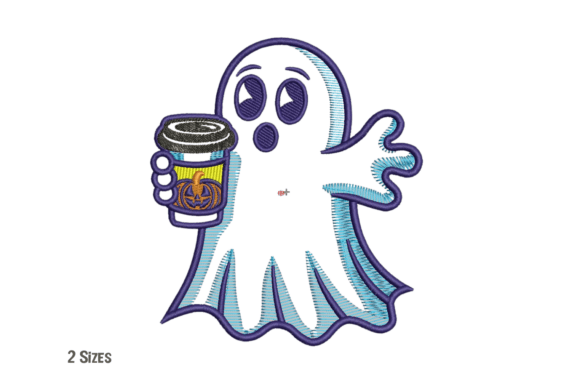
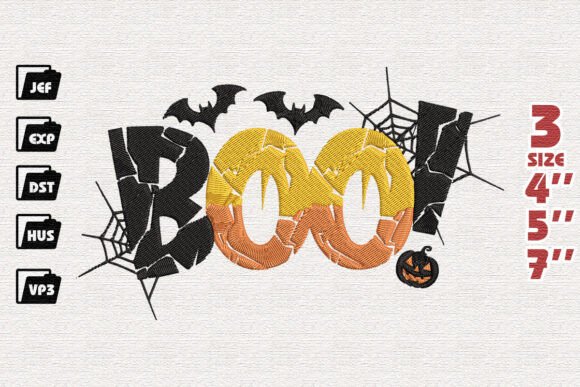
The first thing that strikes you about the Boo Embroidery Design is its immediate emotional pull. In the world of handmade goods, we are selling feelings as much as we are selling physical items. This design captures a specific mood—one that is playful yet sophisticated enough to fit into modern home decor rather than feeling like a cheap novelty item. It possesses a "sweet" and "seasonal" quality that feels authentic to the Halloween season without being overly spooky or aggressive.
From a design perspective, the charm lies in its balance. It avoids the cluttered look that plagues many seasonal designs. Instead, it offers a clean, focused visual that reads clearly even from a distance. For Etsy sellers and small shop owners, this clarity is crucial. When a customer scrolls through their feed, they need to instantly understand the vibe. This machine embroidery design delivers a sense of whimsy that appeals to parents looking for unique holiday experiences for their children, as well as crafters who appreciate a touch of festive flair in their autumn projects.
Versatility Across Product Categories
One of the most critical factors I evaluate is versatility. A design that only works on one type of item limits your revenue potential. During my testing, I explored how the Boo Embroidery Design translates across various mediums commonly used by handmade sellers and baby product creators.
- Personalized Trick-or-Treat Bags: As noted in the product description, this is a primary use case. The design’s scale is perfect for the front panel of canvas or felt bags, making them extra special for little ones. It elevates a standard party favor into a keepsake.
- Baby Embroidery Items: While Halloween is traditionally for older children, the soft, friendly nature of this design makes it suitable for baby showers or newborn photography props. Imagine this on a muslin swaddle or a receiving blanket. It bridges the gap between seasonal decor and nursery essentials.
- Kitchen and Home Textiles: I tested the design on an embroidered towel and found that it adds a delightful pop of personality to kitchen decor. It also performs beautifully on a pillow cover, adding a cozy, autumnal touch to living room aesthetics.
- Wedding and Event Keepsakes: Though seasonal, the classic style of the design allows it to be repurposed. For a couple having an autumn wedding, this could work on custom aprons for the bridal party or as a fun detail on guest favors, offering a break from traditional romantic motifs.
This adaptability means that a single digital embroidery file can support multiple custom order previews and listings, maximizing the return on investment for the designer.
Technical Performance and Stitch Quality
When reviewing a design, I always look at the underlying construction. How does the stitch density hold up? Does the design require excessive trimming? Based on my initial tests, the Boo Embroidery Design demonstrates thoughtful engineering. The stitch placement appears optimized to minimize thread breaks and reduce the risk of fabric puckering, which is essential for maintaining a professional finish on commercial embroidery products.
However, attention to detail is paramount. I paid close attention to the smaller elements within the design. On textured fabrics, such as terry cloth or heavy cotton blends, fine details can sometimes get lost. It is advisable to test the design on your specific target fabric before committing to bulk production. If you are using this for blanket embroidery or thick towels, ensure that the stabilizer chosen provides enough support to keep the stitches crisp and defined.
Furthermore, because the design comes in multiple embroidery file formats, you have flexibility across different machine brands. This is a significant advantage for digital product sellers who cater to a broad audience. Regardless of the format, always check the hoop size requirements to ensure the design fits your intended product dimensions comfortably.
Strategic Considerations for Personalized Gifts
Using the Boo Embroidery Design for personalized gifts requires more than just stitching; it requires understanding the customer’s psychology. When a buyer purchases a personalized item, they are looking for something that feels exclusive and heartfelt. This design enhances perceived value by adding a layer of festive care to the product.
For wedding gift designers or those creating family keepsakes, the design serves as a conversation starter. It invites engagement because it is recognizable and evokes nostalgia. However, there are areas where caution is needed. Avoid placing this design on stretchy baby clothes where distortion might occur, or on curved surfaces where the flat geometry of the design might not align perfectly. Additionally, while the design is vibrant, ensure sufficient contrast between the thread colors and the base fabric. Dark fabrics may require a underlay or specific thread choices to make the design pop.
Practical Tips for Execution
To ensure your finished product meets the highest standards, I recommend following these practical steps when working with the Boo Embroidery Design:
- Test on Scrap Fabric: Always run a test stitch-out on the exact fabric and stabilizer combination you plan to use. This helps you catch any tension issues or alignment problems early.
- Check Thread Color Contrast: Compare light and dark fabric mockups. Ensure the thread colors selected provide enough visibility against the background material.
- Confirm Hoop Size: Verify that the design fits within your machine’s hoop limits and leaves adequate margin for handling the fabric.
- Review Stitch Density: Look closely at the final stitch-out. Are there any gaps or overlapping areas that look messy? Adjustments to density or trim settings may be necessary for certain fabrics.
- Use Proper Stabilizer: The choice of stabilizer (cut-away vs. tear-away) can significantly impact the longevity and appearance of the embroidery, especially on items that will be washed frequently.
- Verify Commercial Licensing: Before selling finished products, confirm the commercial licensing terms associated with the design. This protects your business and ensures you are compliant with the creator’s guidelines.
Conclusion
The Boo Embroidery Design is a strong addition to any embroiderer’s library, particularly for those focusing on seasonal personalization. Its blend of charm, technical soundness, and versatility makes it an excellent candidate for craft fair products, Etsy listings, and bespoke client orders. By paying attention to fabric selection, stabilization, and presentation, you can transform this simple design into a memorable personalized gift that customers will cherish. Whether you are decorating trick-or-treat bags or adding a festive touch to home textiles, this design offers the quality and appeal needed to stand out in a competitive handmade market.