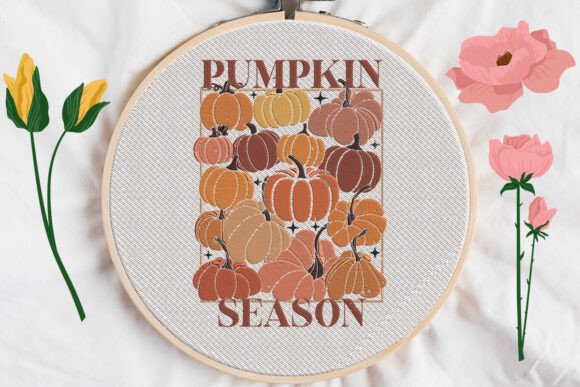
Pumpkin Season Embroidery Design Review
As an experienced embroidery designer who spends weekends hunched over a booth table at craft fairs, I have learned one hard truth: customers do not buy files. They buy the finished product sitting in front of them. When I received the Pumpkin Season Embroidery design to review for potential commercial use, my first instinct was not to look at the code or the file formats. My first instinct was to imagine it stitched onto a canvas tote bag and placed on a display table alongside fifty other autumn-themed items. Would it stop a browser in their tracks? Would it feel premium enough to justify a higher price point? Or would it get lost in the clutter of generic seasonal decor?
This review breaks down exactly how this machine embroidery design performs in the real world of handmade markets, focusing on visual impact, production practicality, and sales potential.
First Impressions and Visual Appeal
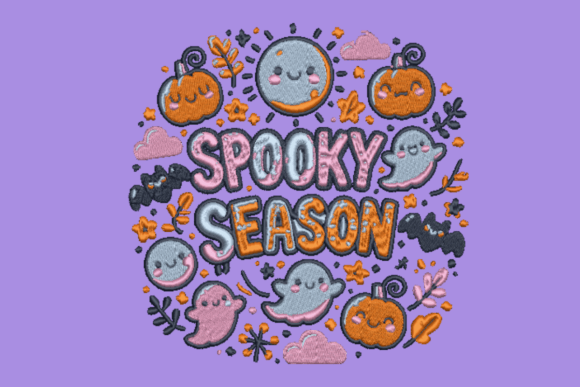
The title Pumpkin Season Embroidery suggests a festive, cozy aesthetic that aligns perfectly with current trends in farmhouse and rustic decor. From a design perspective, the immediate question is whether the artwork relies on bold shapes or intricate details. In a busy market environment, clarity is king. If a customer walks past your booth from ten feet away, they need to recognize the theme instantly. This design appears to strike a balance between decorative charm and legible simplicity, making it highly effective for quick visual recognition.
The mood of the piece feels warm and inviting, leveraging the psychological comfort associated with fall harvest themes. It avoids being overly spooky, which broadens its appeal beyond just Halloween enthusiasts to include general home decor shoppers looking for seasonal accents. For an Etsy seller or boutique maker, this versatility is crucial. The design has the potential to bridge the gap between holiday-specific merchandise and year-round autumn aesthetics, allowing you to keep products on sale longer into the season.
Product Application and Market Fit
Not all designs work well on every substrate. To maximize the ROI on this embroidery file, we need to look at where it shines brightest. Based on the scale and style typical of such titles, here is how Pumpkin Season Embroidery translates across various craft fair products.
- Tote Bags: This is arguably the strongest application. A canvas tote allows the design to breathe, providing enough negative space for the eye to rest. Whether used as a central focal point or a smaller accent on the pocket, it adds character to a functional item. It transforms a plain accessory into a statement piece that shoppers are eager to carry around your booth, essentially becoming free advertising.
- Aprons and Tea Towels: Kitchen textiles are high-volume sellers. On a flour-sack towel, the design likely reads as charming and domestic. However, be mindful of the fabric texture. Loose-weave towels can distort fine stitches. Ensure the design’s stitch density is appropriate for the fabric weight to prevent puckering.
- Caps and Headwear: Curved surfaces present a challenge. If the design contains small lettering or tiny details, it may lose clarity when stretched over the curve of a cap brim. Large, bold motifs tend to perform better here. If the design is primarily graphic rather than textual, it can add a trendy, customized touch to beanies or baseball caps.
- Embellished Patches: Converting this design into an iron-on or sew-on patch is a smart strategy for low-risk inventory. Patches allow customers to personalize their own jackets or bags, increasing perceived value. They are also easier to ship and handle than larger garments.
- Pillow Covers and Home Decor: For larger items like pillow shams, the design serves as a beautiful centerpiece. These items command a higher price point due to the material cost and hoop time required, but they also attract buyers looking for complete room transformations.
Photography and Online Listings
In the digital marketplace, your photos are your salesperson. A strong design asset must photograph well under natural light. The contrast of the thread colors against neutral fabrics (cream, beige, navy, or denim) will determine how crisp the image looks. When creating printable mockups for your online shop, ensure that the lighting highlights the texture of the embroidery. Shiny threads can create glare, while matte threads offer a more consistent appearance in photos. Show close-ups that reveal the quality of the stitching, as this signals craftsmanship to discerning buyers.
Production Practicality and Workflow
For a small business owner, efficiency is survival. A complex design might look stunning but could take twenty minutes to stitch, killing your profit margin. While exact stitch counts vary by digitization, generally, designs intended for mass production should be evaluated for speed without sacrificing quality.
Stitch Density and Fabric Choice: One of the most critical factors in professional results is managing stitch density. If the design features dense areas, particularly if it includes text, you must use the correct stabilizer. Tear-away stabilizers are great for woven fabrics but can leave residue on knits. Cut-away stabilizers are essential for stretchy materials like caps or jersey knit shirts to prevent distortion after washing. Always test your chosen combination on scrap fabric before committing to your final product.
Thread Contrast: The success of any embroidery design often hinges on thread selection. Dark fabrics require bright, saturated threads to pop, while light fabrics allow for subtle tonal choices. Be cautious of using dark threads on dark backgrounds unless the sheen difference is significant. Conversely, very light threads on white fabric can disappear entirely. Plan your thread palette early to ensure consistency across batches.
Careful Use Notes for Commercial Success
Before you commit to producing hundreds of units, consider these technical warnings common in machine embroidery:
- Small Details: If the design includes tiny stems, facial features, or small text, test it at the actual size you intend to produce. What looks clear on a screen may become a muddy blob when stitched at 4 inches wide. If the details are too fine, consider scaling up the design or simplifying the elements.
- Hoop Size Constraints: Confirm the maximum hoop size required. If the design exceeds your machine’s standard hoop, you will need to rehoop multiple times, which increases labor time and the risk of misalignment. Designs that fit within a single hoop are always more efficient for batch production.
- Fabric Texture: Textured fabrics like terry cloth or heavy burlap can hide stitch definition. Smooth cottons and linens provide the best canvas for detailed work. Avoid highly textured surfaces unless the design is extremely bold and simple.
- Commercial Licensing: Never assume that purchasing a digital file grants you the right to sell the physical items. Check the license agreement carefully. Some licenses restrict the number of items you can sell, while others require a separate commercial license for unlimited production. Protect your business by verifying these terms upfront.
Final Verdict
Pumpkin Season Embroidery appears to be a versatile and commercially viable option for artisans looking to capitalize on the autumn market. Its strength lies in its ability to adapt to various products, from functional kitchen goods to fashionable accessories. By paying attention to fabric choice, stabilizer support, and thread contrast, you can elevate this design into a high-quality handmade product that stands out in both physical booths and online storefronts.
Remember, the best embroidery designs are those that solve a problem or evoke an emotion. This design taps into the cozy, festive spirit of the season, offering customers a tangible way to bring that feeling into their homes. With careful production planning and thoughtful presentation, this digital embroidery file has the potential to become a staple in your seasonal collection.