Spooky Season Cute Halloween Embroidery Review
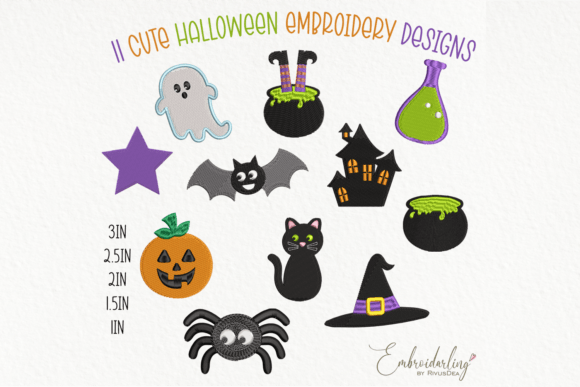
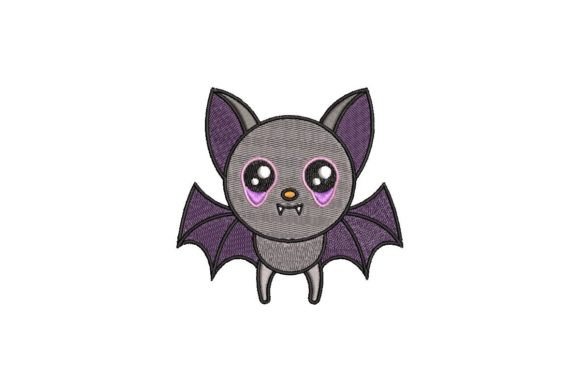
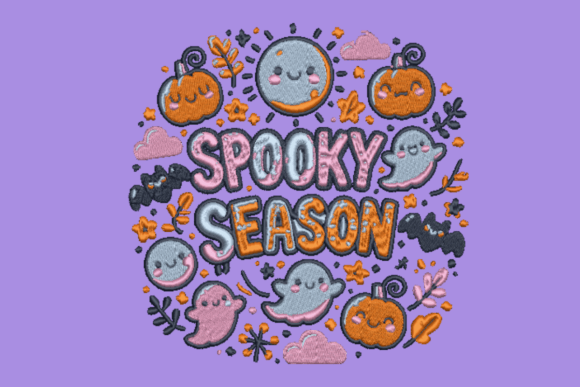
As an embroidery designer who spends more time than I care to admit staring at stitch density charts and debating thread color palettes, I have learned that not every digital file translates well into a physical product. When preparing for a busy weekend craft fair or stocking an Etsy shop, the difference between a "nice" item and a "bestseller" often comes down to design clarity, production practicality, and visual appeal. This week, I am reviewing Spooky Season Cute Halloween Embroidery, a design described as featuring charming little ghosts, cute pumpkins, happy bats, and whimsical stars. My goal is to determine if this machine embroidery design has the legs to carry a booth display and attract serious buyers.
First Impressions: Playful vs. Premium
The title alone sets a specific tone. We are not looking at dark, gothic horror imagery here; we are looking at accessible, family-friendly fun. For a handmade market, this is crucial. You want designs that make people smile immediately, not squint in confusion. The description highlights "charming," "cute," and "whimsical." In my experience, these keywords usually signal a design that works exceptionally well on soft goods like tote bags and aprons, where the texture of the fabric complements the playful nature of the stitches.
However, as a professional, I must ask: does it feel premium? A design can be cute but look cheap if the layout is cluttered or the stitch work is inconsistent. Based on the elements listed—ghosts, pumpkins, bats, stars—this sounds like a balanced composition. It avoids the trap of being too sparse (which looks unfinished) or too dense (which can warp thin fabrics). If executed correctly with high-quality threads, Spooky Season Cute Halloween Embroidery has the potential to elevate a simple canvas tote from a $5 impulse buy to a $15 boutique item.
Product Application: Where Does It Shine?
Let’s talk about placement. When I review a digital embroidery file, I immediately visualize it on various substrates. Here is how I see Spooky Season Cute Halloween Embroidery performing across different craft fair products:
- Tote Bags: This is the bread and butter of handmade markets. The playful ghosts and bats will pop against natural canvas or pastel-colored cotton blends. Because the design likely contains multiple elements, it works beautifully as a central focal point on the front panel of a bag.
- Apron Embroidery: Kitchen towels and aprons are high-volume sellers. The "cute pumpkin" aspect fits perfectly with autumnal home decor trends. Ensure you test this on a sturdy twill fabric to prevent puckering, especially if the design includes larger solid areas.
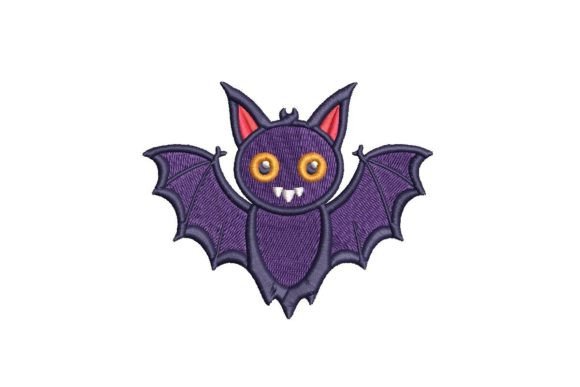
- Embroidered Patch: Many crafters sell patches separately for jackets or backpacks. If the design files include a clean border or satin stitch edge, this could be a standalone small shop product. However, check the detail size; tiny bat wings might get lost if the patch is under three inches wide.
- Hats and Caps: Curved surfaces are tricky. If the design is too wide, it will distort on a baseball cap. I recommend using this design on structured caps with a large enough front panel, or perhaps on a bucket hat where the surface area is more forgiving.
- Pillow Covers: For home decor booths, this design adds a festive touch without being overwhelming. It pairs well with neutral linens, allowing the colors of the thread colors to stand out.
Production Practicality and Design Analysis
Before committing to a batch production run, there are several technical factors to consider. A beautiful design on screen can fail miserably on the hoop if the engineering isn't sound.
Stitch Density and Fabric Texture
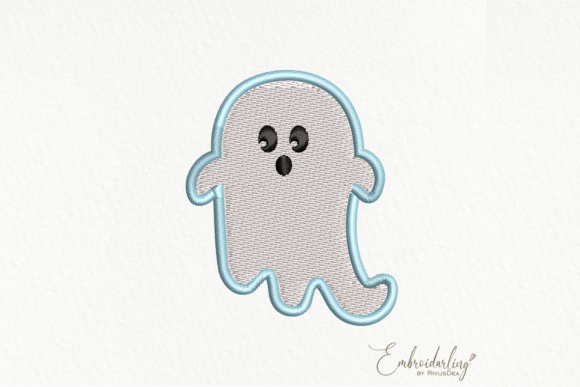
The most critical factor in commercial embroidery is stitch density. Designs with many small details, like the whiskers on a ghost or the veins on a pumpkin leaf, require careful attention. If the stitch density is too high, the fabric will pucker, ruining the hand-feel of the product. Conversely, if it is too low, the underlying fabric may show through, making the design look washed out. I strongly advise testing this embroidery file on scrap pieces of your actual selling fabric—whether it’s a rough linen tea towel or a smooth cotton blend—to ensure the contrast remains sharp.
Small Details and Clarity
Whimsical stars and happy bats often involve fine lines. When digitizing or selecting a file, always zoom in. If the individual elements are smaller than 2-3 millimeters, they risk losing definition during the stitching process, especially on textured fabrics like waffle-weave kitchen towels. For tea towel embroidery, simpler shapes often read better because the fabric texture competes with fine details.
Hooping and Stabilizer
Confirm the recommended hoop size before starting. If the design is large, you need a multi-needle machine or a reliable re-hooping strategy. Always use the right stabilizer. For lightweight totes, a cut-away stabilizer provides the best support to prevent distortion over time. For heavier items like denim aprons, a tear-away might suffice, but a wash-away backing can help maintain crisp edges on detailed elements.
Selling Strategy and Visual Appeal
From a marketing perspective, Spooky Season Cute Halloween Embroidery is a strong contender for seasonal sales. Its charm makes it highly photogenic, which is vital for Etsy sellers and anyone relying on social media marketing. The bright, playful elements translate well in photos, drawing the eye in a crowded market grid.
Consider creating a cohesive collection. Use this design on matching sets—a tote bag paired with a tea towel and a small pouch. This increases the perceived value and encourages customers to buy more than one item. The "cute" aesthetic also appeals to parents buying gifts for children, expanding your customer base beyond just hardcore Halloween enthusiasts.
When displaying at a craft fair, hang the tote bags so the design is fully visible at eye level. Use good lighting to highlight the sheen of the threads. A well-lit booth with clear, crisp embroidery signals quality and trustworthiness to potential buyers.
Final Verdict and Next Steps
Overall, Spooky Season Cute Halloween Embroidery appears to be a versatile, commercially viable design for the upcoming season. Its playful theme and variety of elements allow for creative application across multiple product types. However, success depends entirely on execution.
Here is my checklist before you start producing:
- Test on Scrap: Never assume a design will work on your target fabric without a test run.
- Check Contrast: Ensure your thread colors stand out against your fabric choices.
- Verify Licensing: Confirm you have the correct commercial license to sell finished products made from this digital embroidery file.
- Create Mockups: Before printing physical inventory, create printable mockups to test how the design looks in different contexts online.
- Inspect Stitch Quality: Look for any tangled threads or loose ends that might indicate a need for tension adjustment.
If you follow these steps, this design has the potential to become a standout item in your handmade product lineup. It captures the spirit of the season while remaining approachable and stylish, exactly what modern craft fair shoppers are looking for.