Happy Halloween Owls Embroidery Design Review
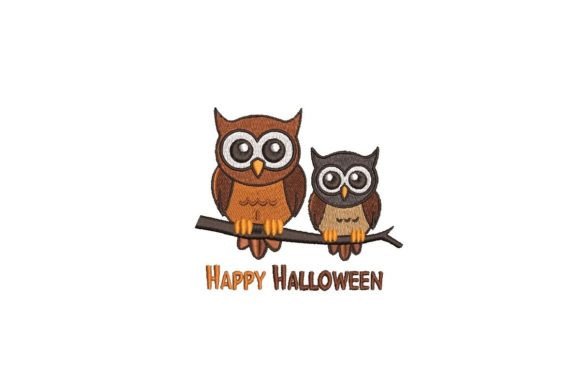
As an embroidery designer who spends weekends navigating the chaos of craft fairs and handmade markets, I know that a design’s success isn’t just about how it looks on a screen. It is about how it performs under the bright lights of a booth, how it feels in a customer’s hands, and whether it translates well from a digital file to a tangible craft fair product. Today, I am reviewing the Happy Halloween Owls Embroidery Design, a piece described as featuring nine vibrant colors and ideal for embellishing hats. Let’s break down exactly why this might be your next best-selling item.
First Impressions: Spooky Charm Meets Market Appeal
The title alone suggests a specific aesthetic: approachable, festive, and slightly whimsical. In the world of Halloween decor, there is often a divide between truly terrifying designs and those that are cute enough for children or farmhouse-style homes. The description promises "spooky charm," which tells me this design likely sits in that sweet spot of modern, decorative cuteness rather than dark horror. For a booth display, this is crucial. You want items that invite a smile, not a recoil.
With nine vibrant colors, this embroidery file has the potential to pop visually against neutral backgrounds. However, as a professional, my immediate thought is about balance. Nine colors is a significant palette for a single motif. If executed well, it will look premium and detailed. If the colors clash or the density is too high, it can look muddy up close. This design needs to be evaluated not just as art, but as a viable machine embroidery design for mass production.
Product Versatility: Where Does It Shine?
When preparing for a market, I always ask: "What is the most versatile application for this stitch pattern?" The description mentions hats, but let’s expand on that. Here is how the Happy Halloween Owls Embroidery Design could perform across various handmade products:
- Hats and Caps: As noted in the description, this is a natural fit. A structured cap provides a flat, stable surface that handles multi-color stitching beautifully. It serves as an instant tote bag design alternative for headwear, offering high perceived value.
- Tote Bags and Market Bags: These are staples at any craft fair. Placing the owls centrally on a canvas tote creates a bold focal point. The vibrant threads will contrast sharply against beige or black canvas, making it an excellent Etsy seller item.
- Apron Embroidery: For the home cook demographic, placing this design on the bib of a denim or linen apron adds a seasonal touch. It transforms a utilitarian item into a giftable small shop product.
- Tea Towel Embroidery: Cotton tea towels are low-cost items with high turnover. If the design fits within a standard 4x4 or 5x7 hoop, it can be placed neatly in the corner, creating a charming accent piece.
- Embroidered Patch: If you sell patches, this design is perfect for iron-on or sew-on applications. Customers love adding personality to backpacks and jackets.
- Pillow Covers: A square pillow case allows for a centered composition. This elevates the item from a simple craft project to a home decor piece, increasing its price point.
Production Practicality and Visual Impact
For a weekend vendor, time is money. A design that requires excessive trimming or complex color changes can eat into your profit margins. With nine colors, the Happy Halloween Owls Embroidery Design will require multiple thread spool changes. This is manageable if you are using a multi-head machine or have a well-organized single-head workflow. The key is whether the design allows for efficient nesting—placing multiple instances in one hoop to maximize output.
From a visual standpoint, the "vibrant" nature of the threads is your biggest selling tool. At a craft fair, customers judge quality by how crisp the stitches look. If the stitch density is too low, the fabric texture may show through, looking cheap. If it is too high, the fabric may pucker, especially on lightweight materials like tea towels. This is why testing on scrap fabric is non-negotiable.
Photography is also part of the production process. A multi-colored design photographs exceptionally well because it catches the light differently depending on the angle. When creating printable mockups for your online store, ensure you capture the sheen of the threads. This detail signals "premium quality" to buyers scrolling through social media or Etsy listings.
Careful Use Notes for the Savvy Maker
Even the best designs have pitfalls. Here are critical considerations before you start pumping out commercial embroidery goods:
- Thread Contrast: With nine colors, ensure there is enough contrast between adjacent shades. Similar tones (e.g., orange next to yellow) can blend together, losing definition. Check your thread colors against the base fabric. On dark fabrics, you may need a heavier underlay or a lighter base fabric to make the colors pop.
- Fabric Texture: Avoid placing this design on highly textured fabrics like heavy burlap or thick terry cloth unless you have tested it. The needles may struggle to penetrate, or the stitches may sit unevenly. Smooth cottons, linens, and canvas are safer bets.
- Hoop Size Constraints: Confirm the required hoop size for the final digitized artwork. If the design is large, you may need a 10x10 or larger hoop, which limits the types of garments you can embroider (e.g., small caps or narrow towel edges). Ensure your machine can handle the dimensions.
- Dense Stitch Areas: Inspect the owl’s eyes and beak. Small details like these can become blobby if the stitch density is incorrect. If the eyes lose their shape, the character loses its charm. Always run a test on the actual fabric you plan to sell.
- Stabilizer Selection: Use the right stabilizer for your fabric weight. Cut-away stabilizer is generally recommended for multi-color projects on stretchy or delicate fabrics to prevent distortion over time. Tear-away works for sturdy woven fabrics like canvas bags.
Final Verdict: Is It Worth Adding to Your Booth?
The Happy Halloween Owls Embroidery Design appears to be a strong contender for the Halloween season. Its versatility across hats, bags, and home decor makes it a flexible asset for any digital embroidery file library. The nine-color palette offers a rich, tactile experience that customers appreciate, provided the execution is clean.
To succeed, focus on presentation. Display the design on a variety of items to show its adaptability. Use clear, bright lighting in your booth to highlight the thread vibrancy. And remember, always confirm commercial licensing terms before selling finished products. If the license allows, this design has the potential to be a standout hit in your design assets, driving traffic and sales throughout the spooky season.
Before committing to a full production run, create at least one real mockup. Embroidery is a tactile medium; what looks good on a monitor may behave differently under the needle. Test the spacing, inspect the stitch quality, and ensure the final finished product meets your high standards. If it passes the test, you have a winning formula for both your craft fair booth and your online shop.