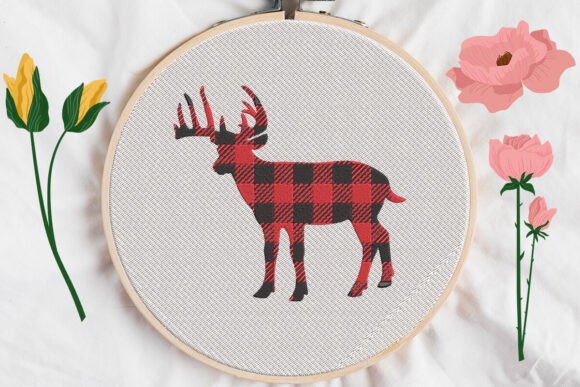
Plaid Reindeer Embroidery Design Review
As an embroidery designer who spends hours digitizing and testing files for both personal projects and commercial clients, I am always on the lookout for designs that balance festive charm with technical reliability. When I came across the Plaid Reindeer Embroidery Design on Creative Fabrica, it immediately caught my eye. The concept is simple yet effective: a classic holiday motif rendered in a trendy plaid pattern. But does it hold up when transferred from screen to fabric? Can it withstand the rigors of real-world production for Etsy shops, craft fairs, or boutique apparel lines?
I decided to put this design through its paces, evaluating it not just as a decorative element, but as a viable component for handmade products. Here is my honest review of how this machine embroidery design performs in practical applications.
First Impressions and Visual Appeal
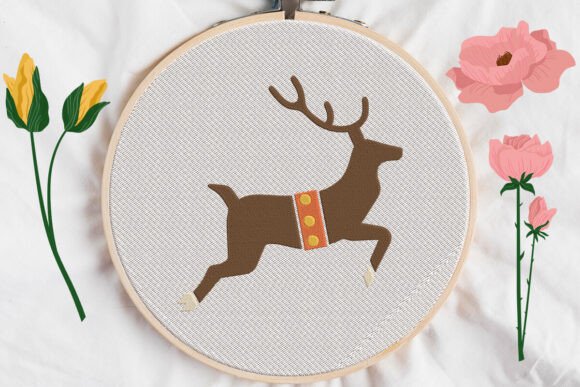
The Plaid Reindeer Embroidery Design exudes a cozy, rustic holiday vibe. Unlike traditional solid-color reindeer motifs that can sometimes feel dated or overly childish, the plaid texture adds a layer of sophistication and modern style. It feels less like a generic clip-art image and more like a curated graphic asset. This makes it particularly appealing for custom apparel where the goal is to create something that looks intentional and high-end rather than mass-produced.
Visually, the design relies heavily on the contrast between the reindeer shape and the intersecting lines of the plaid. In an applique design context, this separation is crucial. If the file is digitized with clear boundaries, the applique process allows you to use contrasting fabrics for the background and the reindeer, making the plaid pattern pop without overwhelming the viewer. Even if used as a direct stitch-out, the variation in thread colors within the plaid creates a rich visual texture that photographs beautifully for online listings.
Performance in Real Embroidery Work
When considering this design for production, it is important to think about versatility. This embroidery file is not limited to just one type of product. Its scale and aesthetic make it suitable for a wide range of items:
- Custom Apparel: It works exceptionally well on sweatshirt embroidery projects, particularly on the chest or sleeve cuff area. The plaid pattern complements the soft, casual nature of knit fabrics.
- Home Decor: As a tote bag design or a pillow cover accent, it adds a seasonal touch that homeowners might appreciate. It fits the "hygge" aesthetic that is popular in interior styling.
- Kitchen Textiles: Kitchen towels and aprons are natural homes for this design. The durability of the stitching needed for these items pairs well with the sturdy look of a plaid pattern.
- Baby Items: For nursery decor or baby blankets, the softness implied by the plaid (even if stitched) offers a gentle, inviting look for personalized gift markets.
However, success depends on execution. A digital embroidery file is only as good as the digitization. I found that checking the stitch density was vital. Plaid patterns involve many intersecting lines; if the digitizer did not account for proper spacing, the fabric could pucker or become too stiff. Always inspect small details after stitching to ensure the individual elements of the plaid remain distinct and do not merge into a muddy blob.
Practical Considerations for Production
For those using this design for commercial purposes, there are several technical factors to keep in mind before ordering bulk materials.
Hoop Size and Placement
Always confirm the hoop size required by the design. While the reindeer motif itself may be compact, the surrounding negative space or any accompanying text needs to fit comfortably within your machine’s maximum hoop dimensions. If you plan to place this on the curved surface of a cap, you will need a specialized cap frame and likely a smaller version of the design. Ensure the file includes a scaled-down option if necessary.
Fabric and Stabilizer Choices
The choice of fabric significantly impacts the final look. On stretchy fabrics like jersey knits, a heavy stabilizer is non-negotiable to prevent distortion. Conversely, on woven cottons for tote bags, a cut-away stabilizer provides the best long-term stability. If you are working with dark fabric, consider using a light-colored backing or underlay to prevent show-through, especially if the plaid threads are thin.
Thread Color Contrast
One of the strengths of this design is the potential for creative thread selection. You are not locked into red and green. Using navy blue and grey plaid threads on a black hoodie can create a subtle, sophisticated look. However, test on scrap fabric first. Low-contrast threads can get lost in the weave of certain fabrics, reducing the impact of the machine embroidery design.
Impact on Product Value and Branding
In the competitive world of handmade goods, presentation is everything. A well-executed finished product elevates the perceived value of your item. The Plaid Reindeer Embroidery Design lends itself to high-quality photography because of its clean lines and recognizable theme. When customers see a crisp, well-stitched plaid reindeer on a premium canvas tote or a soft fleece blanket, they associate that quality with your brand.
This design also supports brand consistency. If your shop has a "rustic chic" or "modern farmhouse" aesthetic, this design fits seamlessly alongside other nature-inspired or geometric motifs. It helps maintain a cohesive look across your Etsy listings or craft fair booth, making your collection feel curated rather than random.
Furthermore, the design’s appeal extends beyond just Christmas shoppers. Because plaid is a year-round pattern, this design can be marketed during back-to-school seasons or fall months, extending its commercial lifespan. This flexibility is valuable for small business owners looking to maximize their inventory.
Final Verdict and Recommendations
The Plaid Reindeer Embroidery Design is a strong contender for anyone looking to add a stylish, festive element to their product line. It avoids the clichés of traditional holiday graphics while still delivering the warmth and recognition associated with Christmas themes. Its adaptability across various mediums—from embroidered patches to home decor—makes it a versatile asset.
To ensure the best results, I recommend the following steps before committing to large-scale production:
- Review File Details: Check the product page on Creative Fabrica for specific instructions regarding file formats and recommended machine settings.
- Test Stitch Out: Always run a test on the actual fabric and stabilizer combination you intend to use. This helps identify issues with thread colors, tension, or density.
- Check Licensing: Verify the license terms for commercial use. Understanding what you can and cannot do with the design assets protects your business legally.
- Inspect Quality: Look closely at the digitization. Are the satin stitches smooth? Is the fill stitch even? Does the design require excessive trimming that might weaken the fabric?
If the digitization is sound and you pay attention to the technical details, this design can help you create beautiful, marketable handmade products that resonate with customers. It is a thoughtful addition to any embroiderer’s library, offering a blend of tradition and modern style that stands out in a crowded marketplace.