Jolly Santa Claus Embroidery Design Review
As an embroidery designer who spends countless hours evaluating files for commercial viability, I look beyond the visual appeal of a design. I assess stitch density, scalability, and how well a motif translates onto various substrates. When reviewing the Jolly Santa Claus Embroidery Design, my primary focus is its utility for small business owners, Etsy sellers, and apparel decorators looking to capitalize on the holiday season without sacrificing professional quality.
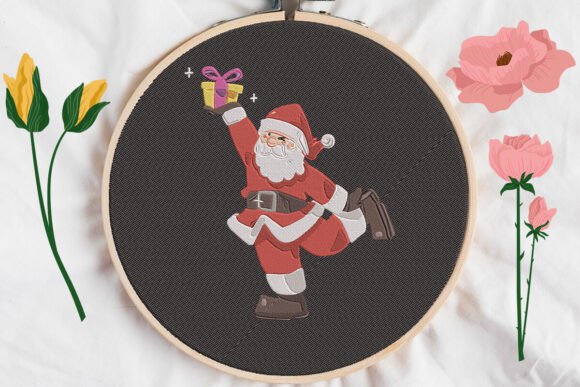
This machine embroidery design is marketed as a delightful addition to festive projects, available in four sizes ranging from 2.5″ to 3.9″ wide. The fact that it fits perfectly within a standard 4×4 hoop makes it highly accessible for home-based businesses and smaller commercial machines. However, accessibility does not always equal quality. In this review, we will dissect how this embroidery file performs when applied to real-world merchandise, from branded patches to custom apparel.
First Impressions and Visual Personality
The title "Jolly Santa Claus" suggests a classic, friendly aesthetic rather than a modern or minimalist interpretation. For a small business, particularly one in the handmade, bakery, or boutique sector, this approachability is a significant asset. The design likely leans towards a traditional charm that resonates with customers seeking warmth and nostalgia during the holidays.
From a design perspective, the versatility of having four size options is crucial. A 2.5″ width is ideal for subtle branding, such as a chest logo accent on a work shirt or a small mark on a product tag. Meanwhile, the 3.9″ maximum width allows the design to serve as a focal point on larger items like tote bags or aprons. This range ensures that the brand identity remains consistent across different product types, whether you are creating customer gifts, event merch, or seasonal inventory.
The visual personality here is playful yet recognizable. It avoids overly complex details that might get lost at smaller scales, which is a common pitfall in many digital design assets. Instead, it relies on bold shapes and clear lines, ensuring that the character remains legible even when embroidered on textured fabrics or curved surfaces like caps.
Real-World Business Applications
For small business owners, the true test of an embroidery design is its application. Let’s explore how the Jolly Santa Claus Embroidery Design can be integrated into various commercial products.
- Embroidered Patches: One of the most profitable uses for this design is creating iron-on or sew-on patches. At 2.5″ to 3.9″, the design fits perfectly within standard patch dimensions. These can be sold as standalone accessories or attached to denim jackets, beanies, and backpacks by end consumers.
- Staff Uniforms and Aprons: Local cafes, bakeries, and florists often seek ways to boost team spirit during the holidays. Placing this design on the chest of a black or navy apron creates a striking contrast. It adds a touch of personality to staff uniforms without being overly distracting, enhancing the handmade product feel of the establishment.
- Cap Embroidery: The 4×4 hoop compatibility makes this design suitable for front-panel cap embroidery. The compact nature of the smaller sizes ensures that the stitching doesn’t overwhelm the curve of the cap, providing a clean, professional finish.
- Tote Bag Design: For crafters and Etsy sellers, reusable tote bags are a staple. Using the larger size (3.9″) centered on a canvas tote bag offers a strong visual statement. It serves as effective mobile advertising, increasing brand recognition every time the bag is used.
- Custom Apparel and Merch: This design works exceptionally well on sweatshirts, hoodies, and t-shirts. As a small business merch item, it appeals to customers looking for festive wear. The design’s simplicity ensures it pairs well with other graphic elements if you choose to combine it with text or logos.
Strategic Considerations and Potential Pitfalls
While the design shows promise, there are specific areas where caution is required. Not all embroidery projects are created equal, and understanding the limitations of your equipment and materials is vital.
Small Patch Sizes and Stitch Density: When using the 2.5″ size, pay close attention to the stitch density. If the design contains fine details or thin outlines, they may become indistinct or prone to puckering on very small patches. Always inspect the spacing between stitches to ensure clarity.
Fabric Texture and Contrast: The effectiveness of any thread colors depends heavily on the background fabric. On dark uniforms or textured fabrics like heavy canvas, lighter thread colors may require an underlay or additional passes to achieve opacity. Conversely, on light fabrics, ensure that the design doesn’t lose definition against the material’s weave.
Curved Surfaces: Embroidering on caps or rounded items requires proper hooping techniques. The design’s compact footprint helps, but improper tension can still lead to distortion. Test on scrap pieces of the same material before committing to finished goods.
Wash Durability: For items like aprons and work shirts that undergo frequent washing, ensure that the design is anchored properly. High stitch counts can sometimes loosen over time if not stabilized correctly. Use appropriate stabilizers to maintain the integrity of the finished product.
Impact on Brand Identity and Customer Trust
In the competitive world of online marketplaces and local retail, visual consistency builds trust. Using a high-quality, professionally digitized design like the Jolly Santa Claus Embroidery Design signals attention to detail. Customers associate neat, precise embroidery with premium quality.
When a business uses cohesive design assets across its product line—whether it’s a matching set of aprons, tote bags, and caps—it reinforces brand recognition. A cheerful, well-executed Santa motif can evoke positive emotions, fostering a sense of community and holiday cheer that encourages repeat purchases and customer engagement.
Furthermore, offering customized items with such designs allows businesses to differentiate themselves. Instead of generic store-bought gifts, customers receive personalized, commercial embroidery products that feel unique and thoughtful. This perceived value can justify higher price points and improve profit margins.
Practical Designer Notes for Production
Before adding this design to your production workflow, consider these essential steps:
- Test in Black and White: Convert the design to monochrome to check contrast and readability. This helps identify any areas that might lack definition.
- Check Small Size Legibility: Specifically test the 2.5″ version. Ensure that facial features and key elements remain distinct.
- Review Thread Color Contrast: Select threads that pop against your target fabric. Red and white are classic choices, but consider gold or green for a more unique palette.
- Inspect Spacing and Hoop Size: Confirm that the design fits comfortably within your machine’s 4×4 hoop with adequate margin for hooping stability.
- Test on Real Fabric: Never skip the sample run. Embroidery behaves differently on cotton, polyester, and blends. Adjust tension and stabilizer type as needed.
- Create a Printable Mockup: Use digital mockups to present the design to clients or visualize it on your own products before cutting fabric.
- Confirm Commercial Licensing: Ensure you have the right to use this digital embroidery file for commercial purposes. Verify the license terms to avoid legal issues.
By carefully evaluating the Jolly Santa Claus Embroidery Design through these practical lenses, small business owners can leverage this festive asset to create high-quality, marketable products. Whether you are decorating aprons, crafting custom apparel, or producing branded patches, this design offers a charming solution for holiday merchandising. Just remember to prioritize testing and quality control to ensure every stitch reflects the professionalism your brand deserves.