Ikat Brown 2 Embroidery Style Wall Art Review
As an embroidery designer who spends more time than I care to admit staring at stitch charts and troubleshooting tension issues, I am always on the hunt for design assets that bridge the gap between digital aesthetics and tactile reality. When I stumbled upon Ikat Brown 2 Embroidery Style Wall Art on Creative Fabrica, my first instinct was skepticism. Too often, graphics labeled as "embroidery style" are just flat vector art with a drop shadow that looks nothing like thread on fabric. However, after evaluating this piece for potential use in real-world commercial projects, I found myself pleasantly surprised by its versatility and visual depth.
This review is not just about how the image looks on a screen; it is about how it translates when you put your hoop under the needle. Whether you are an Etsy seller looking to expand your home decor line or a craft fair regular seeking unique custom apparel ideas, understanding the practical application of this digital embroidery file is crucial before you commit to production.
First Impressions: Visual Mood and Detail
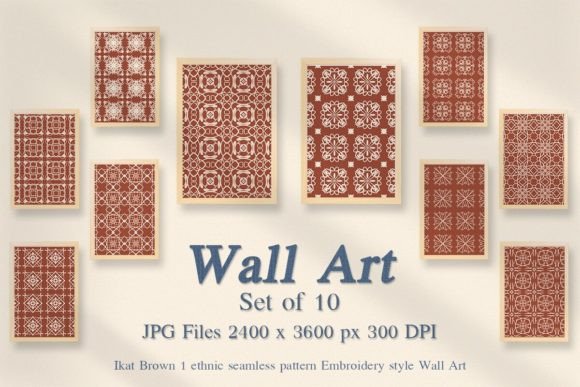
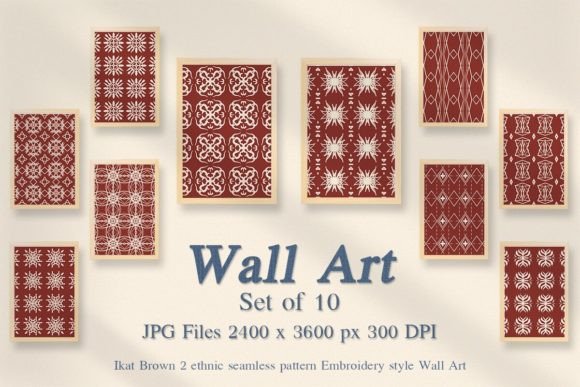
The moment you open the file, the warm, earthy tones of the ikat pattern immediately establish a cozy, ethnic aesthetic. The design features a seamless pattern that feels organic rather than rigid, mimicking the natural irregularities found in hand-dyed textiles. For a designer, this "human-made" quality is vital because it prevents the final product from looking too sterile or mass-produced.
The visual mood is grounded and sophisticated. The brown palette offers a neutral base that pairs effortlessly with various interior styles, from bohemian to modern farmhouse. But does it have the detail level required for high-end commercial embroidery? Yes, but with caveats. The intricate lines of the ikat weave provide excellent texture, suggesting a complex interplay of stitches. It promises a rich visual experience that can elevate simple items like kitchen towels or pillow covers into statement pieces.
Real-World Application: Where Does This Design Fit?
In my experience, the success of an embroidery file depends heavily on the substrate. I evaluated Ikat Brown 2 Embroidery Style Wall Art across several common project types to see where it shines and where it might struggle.
- Tote Bag Design: This is perhaps the strongest candidate. Canvas totes provide a stable, woven surface that handles detailed patterns well. The brown tones blend beautifully with natural cotton or jute bags, creating a cohesive look that appeals to eco-conscious buyers.
- Sweatshirt Embroidery: Using this for sweatshirts requires careful consideration. While the design is attractive, large-scale ikat patterns can become muddy if the fabric is too thick or fuzzy. It works best on smooth cotton blends or structured fleece where the stitch definition remains crisp.
- Kitchen Towels and Aprons: These are low-risk, high-reward items. The seamless nature of the pattern allows you to crop the design to fit standard towel dimensions without awkward cut-offs. The earthy colors hide minor stains better than bright whites, making them practical gifts.
- Pillow Covers and Nursery Decor: For home decor, this design adds warmth. However, ensure the scale fits the pillow size. A tiny hoop size might make the details disappear, while a larger format showcases the ikat texture effectively.
- Embroidered Patch: Creating a patch from this design is viable, provided you add a sufficient border. The dense pattern fills the patch well, avoiding empty spaces that can look unfinished.
Technical Considerations for Stitching
Translating a graphic into a functional machine embroidery design involves more than just hitting start. Here are the practical notes every designer should keep in mind when working with this specific artwork.
Stitch Density and Texture
The ikat style relies on visual texture rather than heavy solid blocks of color. This suggests that a mix of running stitch for outlines and lighter fill stitch techniques will yield the best results. Avoid over-saturating the area with thread, as this can cause puckering, especially on lightweight fabrics. If the original file is a raster image intended for sublimation or printing, you will need to digitize it yourself, paying close attention to the stitch density to mimic the woven look without adding unnecessary bulk.
Hoop Size and Placement
Always confirm the hoop size requirements. If you are using this for small items like caps or baby blankets, ensure the design scales down cleanly. Small lettering or tiny details within the ikat pattern may merge together if the hoop size is too restrictive. Test the design in your software to verify that individual elements remain distinct.
Fabric and Stabilizer Choices
The choice of fabric dramatically affects the outcome. On stretchy knits, such as those used for sweatshirt embroidery, a cut-away stabilizer is non-negotiable to prevent distortion. For woven fabrics like linen or canvas, tear-away stabilizer may suffice, but a wash-away backing can help preserve the delicate edges of the ikat pattern. Dark fabrics require high-contrast thread choices; the brown tones in the design may need lighter or metallic threads to pop against navy or black backgrounds.
Thread Colors and Contrast
When planning your thread colors, remember that ikat patterns often rely on subtle shifts in hue. Using too many contrasting colors can clutter the design. Stick to a monochromatic or analogous color scheme to maintain the elegant, ethnic feel. Always test on scrap fabric first to check for color bleeding or dullness after washing.
Impact on Product Value and Brand Trust
Using high-quality design assets like Ikat Brown 2 Embroidery Style Wall Art directly influences buyer trust. Customers can often tell the difference between a generic clip-art stamp and a thoughtfully designed piece. The ethnic and artistic vibe of this design positions your products as premium handmade goods rather than cheap knockoffs.
For sellers on platforms like Etsy, professional presentation is key. High-resolution mockups of this design on tote bags or pillows can significantly boost click-through rates. The warm, inviting aesthetic encourages engagement, making it an excellent choice for seasonal gifts, holiday collections, or boutique merchandise aimed at customers who value artisanal craftsmanship.
Final Verdict and Practical Advice
Ikat Brown 2 Embroidery Style Wall Art is a strong contender for designers looking to add texture and warmth to their portfolio. It is not a one-size-fits-all solution, but rather a versatile tool that rewards careful execution.
Before you begin production, I strongly advise you to:
- Review Licensing: Check the Creative Fabrica product page carefully for terms regarding commercial embroidery rights. Ensure you are allowed to sell finished physical products made from this design.
- Test Rigorously: Never run a full production batch without testing on the actual fabric you intend to use. Inspect small details after stitching to ensure they haven't merged.
- Compare Mockups: Use light and dark fabric mockups to visualize how the design performs in different lighting conditions.
- Inspect File Details: Confirm whether you are receiving a vector, raster, or pre-digitized file. If it is a graphic, plan your digitization process to maximize the ikat texture.
If you approach this design with patience and technical precision, Ikat Brown 2 Embroidery Style Wall Art can be the centerpiece of a successful, profitable line of handmade products. It captures the eye with its artistic flair and holds up well under the scrutiny of everyday use, making it a worthy addition to any serious embroiderer’s toolkit.