Ella Name Embroidery Design Review
As an embroidery designer who spends hours testing fonts, stitch types, and fabric combinations, I approach every new digital download with a mix of excitement and skepticism. When Ella Name Embroidery Design landed in my inbox, I didn’t just look at the preview image; I looked at how it would translate into a tangible, high-value product for my own shop and for the clients I serve. This review is based on a practical test run, imagining this design applied to real-world gift items that sell well in today’s handmade market.
First Impressions: Elegance Meets Simplicity
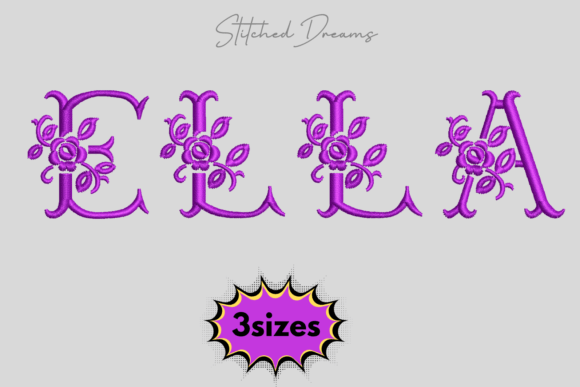
The moment you open the file for Ella Name Embroidery Design, the first thing that strikes you is its refined aesthetic. The font choice is stylish but not overly ornate, striking a perfect balance between modern minimalism and classic charm. It feels sweet without being childish, and elegant without being stiff. This versatility is exactly what makes a machine embroidery design successful for a broad audience.
In my initial assessment, the design exudes a sense of calm sophistication. It doesn’t scream for attention; instead, it invites the viewer to lean in closer. For a personalized gift, this subtlety is crucial. Whether the recipient is a newborn baby or a bride-to-be, the name "Ella" rendered in this specific typeface suggests quality and care. It feels like a design that belongs in a curated nursery or a chic wedding registry. The mood is warm, inviting, and deeply personal, which are the exact emotional triggers that drive sales for custom embroidery products.
Product Applications and Giftability
One of the strongest selling points of Ella Name Embroidery Design is its adaptability across various product categories. When I visualize this design on different textiles, I see multiple revenue streams opening up for Etsy sellers and small shop product owners.
- Baby Embryodery: This design is ideal for blanket embroidery. Placed softly on a white or pastel muslin blanket, the name "Ella" becomes a cherished keepsake. It also works beautifully on bibs and burp cloths, where the clean lines of the font remain legible even after repeated washing.
- Wedding Gifts: As a wedding gift, this design adds a touch of romance. Imagine it embroidered on a linen pillow cover or a monogrammed towel set. The refined nature of the font elevates the perceived value of the item, making it feel like a premium gift rather than a simple craft project.
- Home Decor: For nursery decor or living room accents, applying this to a canvas pillow cover creates a sophisticated focal point. The design’s simplicity ensures it won’t clash with busy patterns or bold wall colors.
- Functional Items: An embroidered towel in the kitchen or bathroom can be both functional and decorative. However, as noted later, fabric texture plays a role here. On a smooth cotton hand towel, the design shines. On a thick terrycloth bath towel, it may require additional stabilization.
- Fashion Accessories: A custom tote bag featuring this design appeals to the everyday shopper looking for a unique statement piece. Similarly, an apron embroidered with "Ella" could be a hit for cooking enthusiasts, adding a personal touch to their culinary space.
The emotional connection created by seeing one’s name—or a loved one’s name—stitched into fabric is powerful. This design enhances that bond by presenting the name in a way that feels intentional and artistic. For the buyer, this translates to higher satisfaction and fewer returns, as the product meets or exceeds expectations for quality.
Visual Appeal and Photography
For digital product sellers and those creating listings, the visual appeal of the final product is paramount. Ella Name Embroidery Design photographs exceptionally well. Its clean lines render sharply in close-up shots, allowing potential buyers to appreciate the detail. When creating a printable mockup for your online store, ensure you use thread colors that contrast well with the background fabric. A soft gray thread on white fabric, or a navy blue on cream, will highlight the design’s elegance without overwhelming it.
Technical Considerations and Potential Pitfalls
While the aesthetic is strong, no design is perfect for every application. As a professional, I must advise caution in certain scenarios to ensure customer satisfaction and protect your reputation as a maker of handmade products.
Fabric Texture and Thickness
The design features delicate details that may get lost on rough or thick fabrics. Avoid using this on heavily textured materials like chunky knits or thick terry cloth unless you are confident in your stitching technique. On an embroidered towel made of heavy cotton, the needle penetration might cause the fabric to pucker if the stabilizer isn’t chosen correctly. Always test on a scrap piece of the actual product fabric before committing to the final item.
Small Lettering and Delicate Details
If you plan to reduce the size of the design significantly, be wary of losing definition. Small lettering requires precise stitching and appropriate thread weight. If the letters become too thin, they may break during trimming or wear out quickly with washing. Conversely, if the design is too large for a small item like a baby hat, it may overwhelm the garment. Check the recommended hoop size in your software to ensure the proportions work for your specific product.
Stretchy Fabrics
Avoid using this design on highly stretchy baby clothes or jersey knits without proper stabilization. Stretchy fabrics can distort the shape of the embroidery, causing the name "Ella" to look wavy or misaligned. Use a cut-away stabilizer to maintain the integrity of the design over time.
Dark Fabric Challenges
On dark fabrics, you will need to use a backing or underlay stitch to prevent the fabric color from showing through the threads. This adds thickness to the back of the design, which might be uncomfortable against sensitive skin on baby items. Lighter fabrics generally yield the best results with this design, enhancing its airy and light aesthetic.
Practical Embroidery Notes for Success
To ensure your finished product looks professional, follow these practical steps when working with Ella Name Embroidery Design:
- Test on Scrap Fabric: Never start directly on the final product. Stitch the design on a similar fabric type to check for tension issues, puckering, or alignment problems.
- Check Thread Color Contrast: Ensure the thread stands out clearly against the fabric. High contrast improves readability and visual impact.
- Confirm Hoop Size: Verify that your embroidery machine’s hoop can accommodate the design dimensions. If the design is large, you may need to reposition it during stitching.
- Review Stitch Density: High density can make the fabric stiff, while low density might leave gaps. Adjust the settings if necessary to achieve a balanced finish.
- Use Proper Stabilizer: Choose a stabilizer (cut-away, tear-away, or water-soluble) appropriate for the fabric weight and stretch. This is critical for maintaining the design’s shape.
- Compare Mockups: Look at both light and dark fabric mockups to see how the design performs in different lighting conditions.
- Check Small Details: After stitching, inspect the fine details of the font. Ensure all curves and corners are clean and sharp.
- Confirm Commercial Licensing: Before selling finished products, verify the license terms of the digital embroidery file. Most designs allow for limited commercial use, but some may restrict the number of items you can sell or prohibit resale altogether.
Conclusion
Ella Name Embroidery Design is a versatile, elegant addition to any embroiderer’s library. Its blend of simplicity and style makes it suitable for a wide range of personalized gift ideas, from baby blankets to wedding keepsakes. By paying attention to fabric choice, stabilization, and thread selection, you can create high-quality finished products that delight customers and build trust in your brand. Whether you are an Etsy seller looking to expand your catalog or a crafter seeking meaningful ways to express love, this design offers a reliable and beautiful solution. Remember, the key to success lies in the details—test thoroughly, choose wisely, and let the craftsmanship speak for itself.