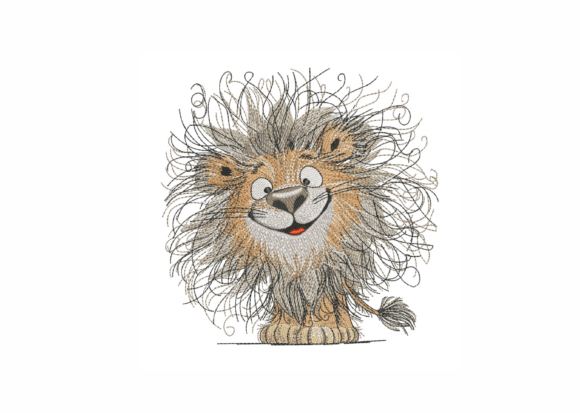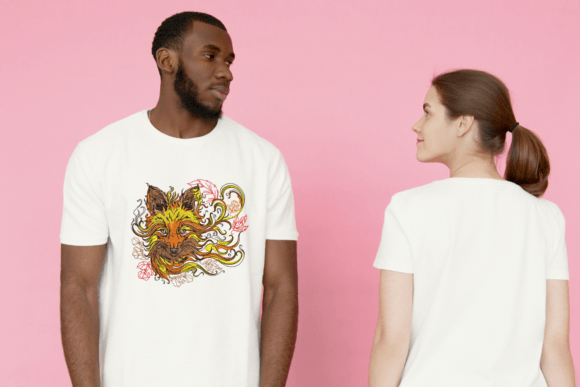
Cunning Fox Embroidery Design Review
As an embroidery designer who has spent years refining patterns for both personal passion projects and commercial product lines, I approach every new digital file with a mix of excitement and skepticism. The market for personalized gifts is saturated, so the difference between a design that sits in a folder and one that becomes bestseller status often comes down to detail, versatility, and emotional resonance. Recently, I had the opportunity to test the Cunning Fox Embroidery Design, categorized under Wild Animals, to see if it truly delivers on its promise of woodland charm and cleverness. This review breaks down my experience testing this embroidery file for potential use in a high-end personalized gift shop.
First Impressions: Mood and Artistic Merit
The moment I loaded the Cunning Fox Embroidery Design into my digitizing software, the mood was immediately apparent. Unlike generic animal silhouettes that feel flat or overly simplistic, this design captures a specific personality. The fox features a beautifully detailed expression that balances playfulness with a hint of cunning. It feels modern yet timeless, avoiding the trap of looking too cartoonish or too stiffly realistic.
For a handmade product seller, this distinction is crucial. Customers buying from Etsy or craft fairs are looking for artistry, not just mass-produced imagery. The intricate detailing in the fur texture suggests a higher perceived value. When I viewed the preview, I imagined this on a neutral-toned linen tote bag or a soft cotton baby blanket. The design holds its own without needing excessive background elements, which makes it incredibly versatile for various custom embroidery applications.
Product Applications and Market Potential
In my planning phase for our upcoming seasonal collection, I evaluated where this machine embroidery design would fit best. The versatility of the fox motif allows it to span multiple niches, making it a strong candidate for a small shop product that appeals to diverse buyer demographics.
- Baby Embryoidery: A nursery item featuring this fox could be a standout piece. The playful nature of the character works wonderfully for gender-neutral nursery decor. Imagine this stitched onto a receiving blanket or a muslin burp cloth. The "cunning" look adds a touch of wit that parents appreciate, moving away from the typical pastel-only aesthetic.
- Wedding Gifts and Keepsakes: For wedding gift designers, this design offers a unique angle. Instead of traditional monograms, a couple might choose this as a symbol of their shared love for nature or hiking. It fits perfectly on a kitchen towel for a housewarming gift or a decorative pillow cover for their new home.
- Custom Tote Bags and Aprons: As a digital embroidery file, it scales well for larger items. On a canvas tote, the fox becomes a bold statement piece. On a denim apron, it adds a rustic, farmhouse vibe that is currently trending in home goods.
- Etsy Listings: For Etsy sellers, this design provides excellent content for printable mockups. Because the design is visually engaging, it photographs well, increasing click-through rates in search results. It serves as a perfect example of how a single commercial embroidery pattern can drive sales across multiple product types.
Strategic Considerations and Limitations
While the artistic quality is high, a professional review must address practical limitations. Not every surface is suitable for every design. When planning customer orders, I identified several areas where caution is required.
First, delicate details are always a risk factor. While the fox’s expression is clear, extremely small text or fine line work adjacent to the main subject may become muddy if the stitch density is too high or if the fabric choice is inappropriate. I advise against using this on stretchy baby clothes unless you are using a very stable knit fabric with adequate support. Stretch fabrics can distort the geometry of the fox, ruining the precise expression that makes the design special.
Furthermore, textured fabrics like thick terry cloth towels or heavy waffle weaves can obscure fine details. If you are producing an embroidered towel, ensure the pile is not so high that it hides the fox’s eyes or ears. Dark fabrics also present a challenge; while they can look elegant, they require careful thread selection to ensure contrast. A dark navy fox on black fabric will disappear, whereas a cream or gold thread might pop beautifully depending on the lighting.
Impact on Giftability and Brand Trust
The success of a personalized gift often hinges on the emotional connection it creates. The Cunning Fox Embroidery Design succeeds here because it feels intentional and crafted. When a customer receives a handmade item, they are buying into the story behind it. A fox implies intelligence, adaptability, and charm—traits that resonate with modern consumers.
This design enhances customer trust by signaling quality. When the stitches are clean and the details are sharp, it reflects positively on the maker. In the world of small business owners, reputation is everything. Using a well-digitized design reduces the likelihood of returns due to poor stitch quality. It also aids in product photography; a crisp, detailed embroidery looks professional in images, which directly influences buyer engagement and conversion rates.
Practical Embroidery Notes for Makers
Before committing this design to production runs for real customer orders, I recommend following these technical steps to ensure the best finished product.
- Test on Scrap Fabric: Always run a test stitch-out on the exact fabric you plan to sell. This reveals how the threads interact with the material grain.
- Check Thread Color Contrast: Experiment with different thread colors. The default colorway in the software may not be optimal for your specific fabric shade. Test light vs. dark options to find the highest contrast.
- Confirm Hoop Size: Ensure the design dimensions fit comfortably within your standard hoop sizes to avoid awkward re-hooping or trimming issues.
- Review Stitch Density: High density can cause puckering, especially on lightweight fabrics. Check the underlay stitches to ensure stability without adding unnecessary bulk.
- Use Proper Stabilizer: The right stabilizer is non-negotiable. For woven fabrics like cotton or linen, cut-away stabilizer is usually best for durability. For knits, tear-away or wash-away might be appropriate depending on the garment structure.
- Compare Mockups: Create digital mockups on both light and dark backgrounds to visualize the final product before investing in physical materials.
- Check Small Details: Zoom in on the test stitch-out. Are the eyes distinct? Is the tail definition clear? If details are lost, consider simplifying the design or adjusting the digitization.
- Verify Commercial Licensing: Finally, confirm the commercial licensing terms of the digital embroidery file before selling any finished products. Some creators allow unlimited sales, while others may have restrictions on the number of units or require a specific license tier.
In conclusion, the Cunning Fox Embroidery Design is a strong addition to any embroiderer’s library. It offers a blend of charm and professionalism that appeals to a wide range of customers, from new parents to wedding planners. By paying attention to fabric choices, stabilizers, and thread contrasts, makers can leverage this design to create high-value, emotionally resonant products that stand out in a crowded marketplace.