Bee Embroidery Design- Bumble Bee
Stepping up to a craft fair booth is less about selling items and more about selling an experience. As an embroidery designer who has spent years refining designs for market stalls, I know that the difference between a design that sits on the shelf and one that gets swept into a shopping bag often comes down to visual impact, production practicality, and how well it translates from a digital screen to a physical product. When I reviewed the Bee Embroidery Design- Bumble Bee, my first instinct was not just to look at the art, but to imagine it stitched onto the merchandise that defines our handmade businesses.
This machine embroidery design falls squarely into the "Bugs" category, yet it transcends simple insect representation. It carries a warmth and charm that resonates deeply with customers looking for handmade product authenticity. Whether you are an Etsy seller or a weekend vendor, understanding the commercial potential of this specific embroidery file is crucial. Below is my professional review of how this design performs in the real world of craft fairs and boutique sales.
First Impressions: Visual Appeal and Brand Fit
The immediate takeaway from the Bee Embroidery Design- Bumble Bee is its versatility. It does not scream loud modern minimalism, nor does it feel overly rustic or farmhouse-heavy. Instead, it strikes a balance that feels premium yet approachable. For a craft fair display, this is ideal. Customers want items that feel personal but also aesthetically pleasing enough to match their home decor or wardrobe.
When placed on a neutral canvas, such as a cream-colored tote bag or a white apron, the design pops without overwhelming the viewer. It feels decorative and soft, which increases its appeal to buyers who might be hesitant about bold, graphic prints. The bumble bee motif is universally liked; it evokes nature, sustainability, and hard work—themes that align perfectly with the values of the handmade community. This emotional connection is what drives impulse buys at a booth.
Product Application: Where Does It Shine?
In my experience, not every design works on every item. The Bee Embroidery Design- Bumble Bee has been described as suitable for hats, t-shirts, clothing, home decor items, and tote bags. Let’s break down where this digital embroidery file truly excels based on current market trends.
- Tote Bags: This is perhaps the strongest application. A tote bag design featuring a bumble bee feels functional and chic. Because tote bags are large canvases, the design can serve as a focal point. It photographs beautifully for online listings and looks substantial in person.
- Aprons and Tea Towels: For kitchen-focused vendors, apron embroidery and tea towel embroidery are high-margin items. The bee adds a touch of whimsy to the kitchen without being childish. It appeals to homeowners who value aesthetics in their daily tools.
- Hats and Caps: Embroidering caps requires precision. If the hoop size allows for a centered chest placement, the bee becomes a subtle brand marker. However, ensure the design is scaled correctly so it doesn’t look lost on the curved surface of a cap.
- Home Decor and Pouches: Pillow covers and small fabric pouches benefit from the intricate details of the bee. These items often sell as gifts, and the embroidered patch style finish adds perceived value.
Production Practicality and Quality Control
As a designer, my job is to ensure that what looks good on screen stitches out cleanly. When evaluating the Bee Embroidery Design- Bumble Bee, several technical factors come into play that affect your bottom line.
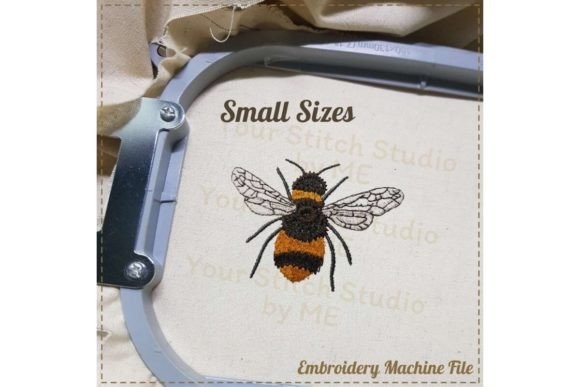
Stitch Density and Clarity: Bees have fine details, particularly in the wings and stripes. You must inspect the stitch density carefully. If the design is too dense, it may pucker lighter fabrics like cotton tees or tea towels. Conversely, if it is too sparse, the stabilizer may show through, ruining the finished product quality. Always test the design on scrap fabric to check for thread breaks or clumping.
Fabric Texture Compatibility: The design will perform differently on smooth jersey versus textured linen or heavy-duty canvas. On a fabric texture like a woven tote bag, the threads sit nicely on top. On highly textured items, tiny details might get lost. I recommend using the design on smoother surfaces for maximum clarity, especially if you are offering it as a small accent.
Thread Colors and Contrast: The success of this design relies heavily on thread choice. Black or dark navy thread on a light background will create a sharp, modern look. Golden yellow and black threads will offer a traditional, cheerful vibe. Avoid low-contrast combinations, such as light yellow on white, as the design will lose its definition entirely. Check your thread colors against your base material before running a full batch.
Selling Strategy for Craft Fairs and Online Shops
How you present the Bee Embroidery Design- Bumble Bee determines its sales velocity. Here is how to maximize its appeal.
- Batch Production: Because the design is likely repeatable and scalable, it is excellent for batch production. Create five identical tote bags in different colors (e.g., sage green, mustard, slate blue) to create a cohesive wall display at your booth. Consistency draws the eye.
- Photography and Mockups: If you are an Etsy seller, you need high-quality images. Use printable mockup services to visualize the bee on various products before you even stitch them. This saves time and materials. Ensure your photos show the texture of the embroidery; flat images do not convey the quality of a commercial embroidery piece.
- Giftability: Market these items as gifts. A small shop product like a bee-embroidered pouch makes a perfect hostess gift or teacher appreciation present. Highlighting the gifting aspect increases the perceived value.
- Brand Consistency: If your brand features nature themes, this design reinforces your identity. Use it across multiple product lines to build recognition. Buyers remember brands that have a distinct visual language.
Crucial Designer Notes Before You Start
Before you rush to produce inventory, there are essential steps to protect your reputation and ensure profitability.
Test First: Never assume a design will stitch perfectly on your specific machine and fabric combination. Run a test on scrap fabric. Check the back of the stitching for excessive backing residue. If the design uses too much thread, calculate whether the extra cost impacts your profit margin.
Confirm Specifications: While the description mentions multiple formats, you must verify the exact hoop size required. Some designs scale poorly if forced into smaller hoops. Also, confirm the commercial licensing terms. Just because you bought the design assets does not always mean you have the right to sell the finished goods commercially. Read the license agreement carefully to avoid legal issues.
Use the Right Stabilizer: For items like hats or thick denim, a cut-away stabilizer is often necessary to prevent distortion. For lightweight shirts, a tear-away might suffice, but only after testing. Using the wrong stabilizer is a common mistake that leads to puckered, unsellable handmade products.
Final Verdict
The Bee Embroidery Design- Bumble Bee is a strong contender for any craft fair or online store. It balances aesthetic charm with production feasibility. It works best when applied to clean, structured fabrics like canvas totes and crisp cotton aprons. By paying attention to stitch density, thread contrast, and proper stabilization, you can turn this single embroidery file into a line of best-selling items.
For the savvy entrepreneur, this design offers a low-risk, high-reward opportunity. It fits seamlessly into the current demand for nature-inspired, handmade decor and apparel. With careful execution and smart marketing, the Bee Embroidery Design- Bumble Bee can become a staple in your catalog, driving engagement and sales at your next market event or digital storefront.